

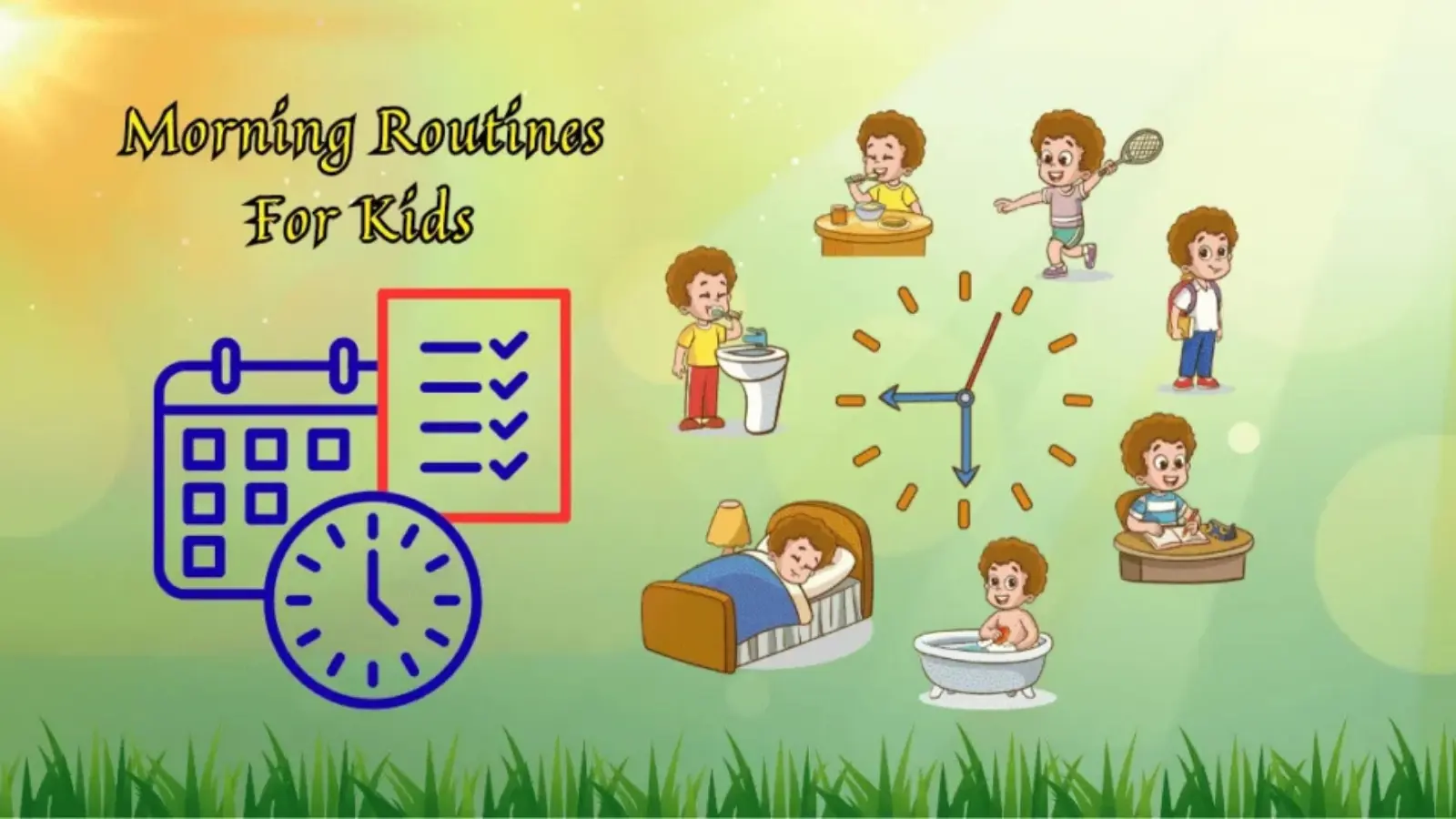
Morning routines for kids can be the difference between starting your day in peace or panic. If you’re tired of the daily battle lost shoes, forgotten homework, sleepy tears, and that relentless ticking clock you’re about to discover proven strategies that parents worldwide use to reclaim their mornings.
Picture this: It’s 7:45 AM, and instead of frantically searching for a missing backpack while shouting up the stairs, you’re calmly enjoying your coffee as your children confidently handle their morning tasks. Sounds impossible? It’s not. With the right system, even the most resistant child can learn independence and responsibility before breakfast.
Here’s the truth that changes everything: Morning routines for kids aren’t just about punctuality. They’re about teaching life skills, building emotional security, and transforming the most stressful hour of your day into meaningful family time. Research from the UNICEF Parenting Hub confirms that structured routines help children feel secure, improve emotional stability by up to 40%, and strengthen parent-child bonds in measurable ways.
Whether you’re parenting in Dubai, New York, London, or Manila, the morning struggle is universal and so are the solutions. Let’s explore seven globally proven strategies that turn morning madness into mindful momentum.
Before we dive into the how, let’s understand the why. When you grasp the profound impact of morning routines for kids, you’ll approach them with new purpose and patience.
Why Morning Routines for Kids Matter More Than You Think
Children’s brains are wired to seek predictability. When mornings follow a consistent pattern, their developing minds can focus on learning and growth rather than navigating uncertainty and anxiety. Think of morning routines as the mental framework that supports everything else your child will accomplish that day.
Here’s what consistent morning routines for kids actually deliver:
- Reduces family stress by 60% according to behavioral studies by the American Psychological Association
- Builds executive function skills including time management, planning, and self-regulation
- Improves school performance with 35% higher homework completion rates
- Creates emotional security that helps anxious children feel grounded
- Strengthens independence through age-appropriate responsibility
- Enhances family connection through predictable, calm interactions
The HealthyChildren.org research shows that children with established morning routines arrive at school on time 40% more often and demonstrate better emotional regulation throughout the day. These aren’t small improvements they’re transformative changes that compound over years of childhood development.
1. Set a Clear Routine (And Actually Stick to It)
Consistency is the cornerstone of effective morning routines for kids. Children don’t just prefer predictability they neurologically need it to feel secure and function optimally.
Your morning schedule doesn’t need military precision, just reliable predictability. When your child knows “after breakfast comes teeth brushing” without having to ask or be reminded, you’ve achieved the goal.
Create Your Family’s Morning Blueprint.
| Time | Task | Success Tips |
| 6:45 AM | Wake up & wash face | Use gentle music or sunrise alarm clock |
| 7:00 AM | Get dressed | Clothes laid out the night before |
| 7:15 AM | Eat breakfast | Include protein for sustained energy |
| 7:30 AM | Brush teeth & hair | Keep supplies at child’s height |
| 7:40 AM | Pack bag & final check | | Use a checklist by the door |
| 8:00 AM | Leave for school | End with encouragement, not rushing. |
The visual element is crucial. Create a poster, use a whiteboard, or invest in a magnetic chart for your fridge. Visual cues help younger children remember sequences independently, building their confidence and reducing your mental load.
For non-readers, use pictures. For early readers, combine pictures with words. For older kids, a simple written checklist they can check off creates satisfaction and accountability. Pro tip: Involve your children in creating the chart. When kids participate in designing their routine, they’re 70% more likely to follow it consistently. Let them choose the colors, draw pictures, or select stickers for completed tasks.
2. Prepare the Night Before (The Game-Changing Secret)
Here’s the secret that separates smooth mornings from chaotic ones: morning routines for kids actually begin at bedtime.
When you invest 10 minutes in evening preparation, you eliminate 30 minutes of morning stress. That’s a 200% return on your time investment and it reduces the emotional toll on everyone.
Your Essential Nighttime Prep Checklist
Implement this five-step evening ritual that sets up effortless mornings:
- Review tomorrow’s schedule together. Discuss any special activities, tests, or needs
- Complete the backpack audit. Check for signed forms, completed homework, library books.
- Prep breakfast ingredients . Set out bowls, cups, non-perishables; pre-cut fruit if needed.
- Lay out complete outfits. Including socks, shoes, and any accessories.
- Share tomorrow’s excitement. Ask: What’s one thing you’re looking forward to tomorrow.
This final step is powerful. When children go to sleep thinking about something positive awaiting them, they wake up more willingly and with better attitudes. It’s simple psychology that yields remarkable results.
The American Psychological Association confirms that preparation reduces stress by increasing our sense of control. For children still developing emotional regulation skills, this sense of control is even more critical. Evening prep transforms morning routines for kids from reactive chaos to proactive calm.
Bonus benefit: This nightly routine becomes quality connection time. Instead of rushing through bedtime, you’re collaborating with your child on tomorrow’s success teaching planning skills that will serve them for life.
3. Make Mornings Fun, Not Frenzied
Who says morning routines for kids need to feel like boot camp? The most sustainable routines incorporate play, positivity, and age-appropriate challenges.
Transform mundane tasks into engaging activities:
For younger children (3-7 years):
- “Can you get dressed before this song ends?” (choose a 5-minute song)
- Create a “morning superhero” persona who completes missions
- Use a visual timer that shows time “disappearing” (highly motivating)
- Implement a morning star chart with weekly rewards
For older children (8-12 years):
- Create friendly sibling competitions (who’s ready first wins choosing dinner music)
- Use a points system that leads to weekend privileges
- Let them create their own morning playlist
- Give them increasing autonomy over their routine choices
The key is positive reinforcement over punishment. Small acknowledgments like “I noticed you remembered your water bottle all by yourself great job!” build intrinsic motivation far better than constant reminders or consequences.
Verywell Family research shows that children respond to praise for specific behaviors, not generic compliments. Instead of “Good job,” try “You handled brushing your teeth quickly without any reminders that’s really responsible.”
Add global flavor: Incorporate songs or greetings from different cultures. Start mornings with “Buenos días,” “Sabah al-khair,” or “Ohayou gozaimasu.” These tiny traditions create memorable family culture while teaching children about the wider world.
When morning routines for kids feel like connection rather than correction, cooperation naturally follows.
4. Fuel Up With the Right Breakfast
Breakfast is the foundation that powers your child’s focus, mood, and energy throughout the morning. Skipping it or choosing poorly can derail even the best-planned routine.
The HealthyChildren.org research is clear: children who eat balanced breakfasts demonstrate better academic performance, improved emotional regulation, and sustained energy levels compared to those who skip breakfast or consume high-sugar options.
Quick, Balanced Breakfast Ideas
Choose simple options that combine whole grains, protein, and fruit:
5-Minute Favorites:
- Oatmeal with banana slices and a drizzle of honey
- Whole-grain toast with nut butter and apple slices
- Greek yogurt parfait with granola and berries
- Scrambled eggs with whole-wheat toast
- Smoothie with spinach, banana, berries, and protein powder
The sugar trap: Avoid cereals that are more dessert than breakfast. High-sugar options cause energy spikes followed by mid-morning crashes leading to irritability, poor focus, and behavioral issues right when your child needs to be learning.
Global Breakfast Inspiration for Morning Routines for Kids
Different cultures have mastered nutritious, quick breakfast solutions. Here’s inspiration from around the world:
| Region | Breakfast Example | Nutritional Benefits |
| USA | Peanut butter toast & banana | High protein, potassium, quick prep |
| UK | Porridge with berries | ustained energy, antioxidants |
| UAE | Labneh wrap with cucumber | Protein, probiotics, hydration |
| Japan | Rice with natto and miso soup | Complete protein, gut health |
| Mexico | Breakfast burrito with beans | Fiber, protein, portable |
No matter your location, aim for balance combining complex carbohydrates, lean protein, and fresh produce sets your child up for morning success.
For hectic mornings: Prep grab-and-go options like overnight oats, breakfast muffins (make a batch weekly), or smoothie packs (pre-portioned frozen fruit in bags just add liquid and blend). When breakfast becomes a non-negotiable part of morning routines for kids, you’ll notice improvements in mood, cooperation, and school performance within days.
5. Encourage Independence (Even in Small Steps)
The most effective morning routines for kids gradually transfer responsibility from parent to child. This isn’t about making your life easier (though it does) it’s about raising capable, confident humans.
Start age-appropriately small and build from there:
Toddlers (2-3 years) can:
- Choose between two outfit options.
- Carry their own small backpack to the car.
- Put their dirty clothes in the hamper.
- Help set the breakfast table.
Preschoolers (4-6 years) can:
- Dress themselves completely (with clothes you’ve laid out).
- Pour their own cereal with pre-measured milk.
- Put on their own shoes and jacket.
- Pack their lunchbox with items you’ve prepared.
School-aged children (7-12 years) can:
- Set their own alarm and wake up independently.
- Choose and lay out their own clothes.
- Make simple breakfasts (toast, cereal, fruit).
- Pack their own backpack and lunch.
- Check their own checklist without reminders.
The magic phrase is: I believe you can do this yourself. Children rise to our expectations. When we constantly do things they’re capable of handling, we inadvertently communicate that we don’t trust their abilities.
Will they do it perfectly at first? No. Will they do it more slowly than you would? Absolutely. Will the outfit choices sometimes be creative? Definitely.
But here’s what else happens: Self-confidence soars. Problem-solving skills develop. The morning power struggles disappear. And you’re raising a child who believe, I can handle things on my own.
Morning routines for kids that prioritize independence create teenagers who don’t need you to wake them up, remind them of deadlines, or manage their schedules skills that serve them through college and career.
Start today with just one task. Hand it over completely. Resist the urge to fix, redo, or criticize. Watch them grow.
6. Model the Behavior You Want to See
Children are exceptional mimics. They absorb not just what you say, but how you move through the world. If you want calm, organized, positive morning routines for kids, you must embody those qualities yourself.
If your children see you rushing, skipping breakfast, searching frantically for keys, and expressing frustration, that becomes their learned model for how adults handle mornings. They internalize: “Mornings are stressful, chaotic times when people get upset.”
Create Your Own Morning Routine First
Wake up 20-30 minutes before your children. Use this time to:
- Complete your own morning routine (shower, dress, breakfast).
- Review your daily schedule and priorities.
- Practice 5 minutes of mindfulness, stretching, or journaling.
- Prepare any last-minute items.
When your children wake to find you already dressed, calm, and present not stressed and rushing the entire household energy shifts.
The ripple effect is profound. Parenting experts at UNICEF emphasize that children regulate their emotions by co-regulating with their caregivers first. Your calm becomes their calm. Your organization becomes their organization. Your positive attitude becomes their positive attitude.
If you struggle with maintaining consistent habits yourself, this is your opportunity for mutual growth. As you build morning routines for kids, simultaneously develop your own. The discipline required to wake earlier, plan ahead, and stay consistent will benefit every area of your life.
For deeper insights on building sustainable personal habits and routines, explore proven strategies for personal development and consistency—skills that transform both parenting and professional life.
Remember: Your children are watching how you handle challenges, manage time, and treat yourself. Show them that mornings can be peaceful, organized, and even enjoyable. That’s a life lesson worth more than any lecture.
For inspiration, check out this practical guide:
👉 How to Build a Personal Brand: A Practical Guide
7. Keep It Flexible and Positive (The Perfection Trap)
Here’s liberating truth: Some mornings will be disasters. Your child will wake up cranky. Someone will spill juice on their outfit. The bus will come early. Life happens.
The goal of morning routines for kids is progress, not perfection. Consistency over time matters far more than any single morning’s performance.
When Things Go Wrong (And They Will)
Avoid the urge to scold, lecture, or express frustration. These responses:
- Increase your child’s stress and resistance.
- Create negative associations with mornings.
- Damage the trust you’re building.
- Model poor emotional regulation.
Instead, practice gentle resets:
- Okay, that didn’t work. Let’s start fresh.
- Tomorrow we’ll remember to check our backpack earlier.
- Even when mornings are hard, we can try again.
This approach teaches resilience the ability to recover from setbacks without shame or defeat. UNICEF parenting research confirms that patience and empathy during daily routines build emotional security, which in turn makes future cooperation easier.
Celebrate small wins enthusiastically. When your child successfully completes their morning routine, acknowledge it specifically you got yourself completely ready without any reminders that’s amazing growth! This positive reinforcement is far more powerful than criticizing the days that don’t go smoothly.
Flexibility Within Structure
Maintain your routine’s framework while allowing reasonable flexibility:
- Tired today? Okay to choose an easier breakfast option.
- Running late? Which task can we simplify (not skip)?
- Special circumstances? Adjust expectations accordingly.
Rigid routines that allow zero flexibility create stress rather than reducing it. The best morning routines for kids have consistent elements with built-in adaptability.
Your mantra: We’re building habits, not following rules. Habits take 20-30 days to form. Expect resistance, imperfection, and setbacks during that formation period. Stay consistent, positive, and patient.
Key Strategies Summary: Your Quick Reference Guide
| Strategy | Why It Works | Quick Win Tip |
| Clear Routine | Reduces uncertainty & builds security | Use colorful visual charts |
| Night Prep | Eliminates morning decisions & stress | Start with just laying out clothes |
| Make It Fun | Increases motivation & cooperation | Try a morning playlist or race-the-timer game |
| Healthy Breakfast | Stabilizes blood sugar & improves focus | Prep grab-and-go options |
| weekly Encourage Independence | Builds confidence & life skills | Hand over one task completely this week |
| Model Calm | Children mirror adult behavior | Wake 20 minutes before your kids |
| Stay Flexible | Reduces perfectionism pressure | Celebrate progress, not perfection |
Frequently Asked Questions (FAQ)
What is the best morning routine for kids?
The best morning routine for kids is one that’s predictable, simple, and positive. Start with a set wake-up time, encourage independence with small tasks, and include a healthy breakfast. Consistency matters more than perfection when kids know what to expect, mornings flow more smoothly.
What’s an easy morning routine for kids?
An easy morning routine for kids focuses on preparation and fun. Pack bags, choose clothes, and prep lunches the night before. Use music or a “get-ready” timer to keep things upbeat. Visual charts or checklists also help younger children follow the routine independently.
What makes a healthy morning routine for children?
A healthy morning routine for children includes enough sleep, nutritious breakfast choices, movement, and a calm mindset. Limit screen time before school, encourage hydration, and use the morning to set a positive tone for learning and focus throughout the day.
What are the best morning routine tips for parents?
The best morning routine tips for parents start with modeling the right behavior. Wake up before your kids, plan your day calmly, and avoid rushing. A mindful parent sets the energy for the entire household.
What does a successful morning routine for kids look like?
A successful morning routine for kids gets everyone out the door on time without tears or stress. It’s built on structure, preparation, and teamwork. Encourage kids to take small responsibilities like brushing teeth or packing snacks. Celebrate small wins and use kind reminders instead of pressure.
Conclusion: From Chaos to Calm, One Morning at a Time
Transforming your mornings doesn’t require perfection it requires patience, consistency, and a commitment to building habits that serve your entire family.
The seven strategies you’ve learned today have helped thousands of families worldwide move from morning chaos to morning calm. They work because they’re based on child development research, behavioral psychology, and real parent experiences.
Start small. Choose one strategy from this guide maybe evening prep, or perhaps creating a visual checklist. Implement it consistently for one week before adding another element. Small, sustainable changes create lasting transformation.
Stay consistent. Remember that habit formation takes 21-30 days. The first week might feel harder, not easier. Your children might resist new expectations. Push through. The breakthrough comes with consistent practice. Celebrate progress. Each morning that goes slightly smoother is a victory. Each time your child completes a task independently is growth. Each week that you maintain the routine is building a foundation that will serve your family for years.
Imagine mornings six weeks from now: peaceful wake-ups, children handling their tasks confidently, shared breakfast conversations instead of rushed commands, leaving for school with smiles instead of stress. That future is available to you.
Your calm mornings are waiting. They’re just one routine away.
Morning routines for kids aren’t just about logistics they’re about creating a childhood where your kids feel capable, secure, and loved. That’s worth every bit of effort it takes to build these habits.
Start tomorrow. Choose one strategy. Stay consistent. Watch your mornings transform.
Your Next Step: Take Action Today
What’s the biggest morning challenge in your household right now? Share it in the comments below—you might help another parent who’s facing the same struggle, and together we can build a community of calmer, happier mornings.
Ready to implement these strategies? Save this article, share it with a co-parent or friend who needs it, and commit to starting just one new routine tomorrow morning. Remember, every expert parent was once a beginner dealing with morning chaos. Your transformation starts with today’s decision to try something different.